
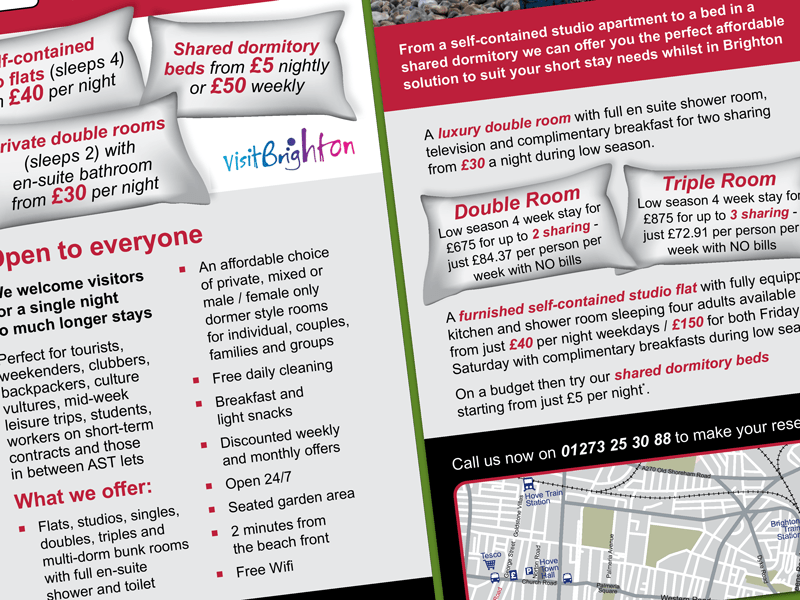
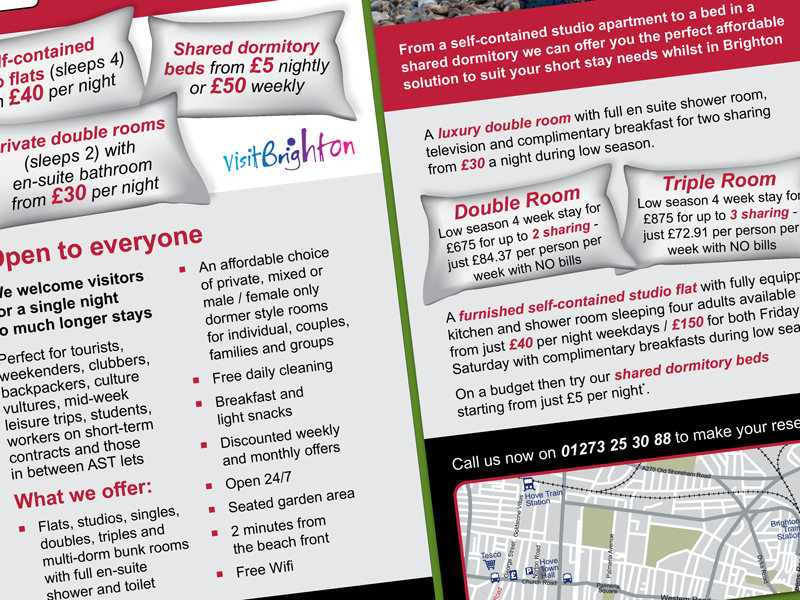
Freelance Artworker Prepares Layouts and Flows in Large Volumes of Copy and Images
Managing large, multi-page Adobe InDesign documents can be overwhelming, even for experienced graphic designers. Sarahjane specialises in the production side of these projects, preparing layouts and organising content so designers can focus on the creative aspects.
She efficiently flows in final copy from Microsoft Word, applies paragraph and character styles, places relevant images, charts, tables, and icons, and removes formatting inconsistencies such as double spaces, incorrect fonts, and unnecessary line breaks. By building a clean, structured document from the outset, Sarahjane creates a solid foundation that is easy to edit and update.
Starting with the final content allows designers to see exactly how much space is available for creative design, resulting in a more efficient workflow, fewer production issues, and a high-quality, print-ready publication.
Visit Sarahjane’s testimonials page to read reviews from clients and design agencies, and discover why she’s trusted to deliver accurate, high-quality artwork on time and to the highest standard.
An Artworker Is the Designer’s Mechanic
A car designer creates the vision, but it’s the mechanic who builds, fine-tunes, and keeps the vehicle running smoothly. The relationship between a graphic designer and an artworker is much the same.
While designers focus on creativity and visual concepts, a professional artworker specialises in production, using Adobe InDesign to its full potential with master pages, paragraph and character styles, tables of contents, GREP where appropriate, and efficient keyboard shortcuts. This expertise makes artworkers faster and more accurate when producing large documents such as catalogues, brochures, reports, tenders, and other complex publications.
An artworker creates clean, well-structured layouts that maintain consistency, follow corporate branding guidelines, and are easy to update when client amendments arrive. By anticipating future changes and organising studio files including images, Word documents, PDFs, and version-controlled artwork projects remain efficient and accessible for the whole team.
Ultimately, an artworker takes care of the technical production, allowing designers to focus on what they do best: creating outstanding design.

